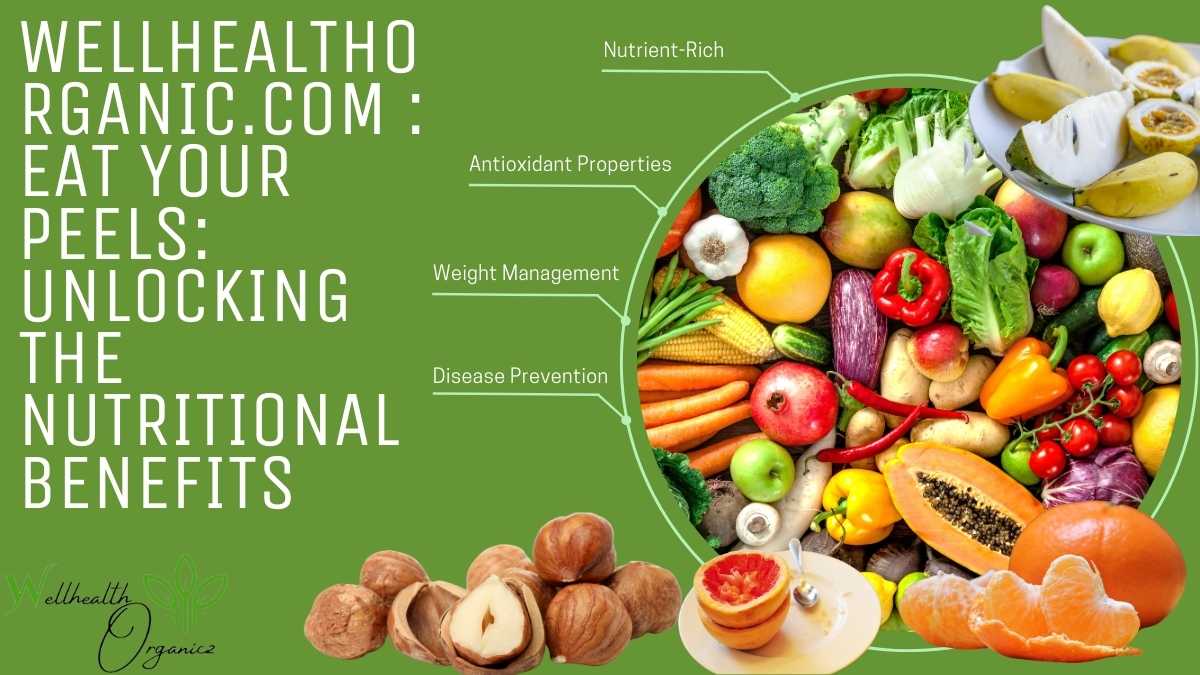
Are you aware that fruits and vegetable peels are good for skin health? Well, these are often ignored or thrown away by several of us. But do you know that eating these peels gives you a plethora of nutrients that can boost your overall well-being. Let’s explore what are the nutrients and minerals available in fruit and vegetable peels. If you are a health or fitness enthusiast, then you must read this blog till the end.
Eat Your Peels: Unlocking The Nutritional Benefits Significance of Peels in Nutrition
In the pursuit towards optimal health, we often look for the juicy flesh of fruits and vegetables and ignore the nutrient-rich treasure trove that lies in their peels. Peels provide a vital element of the nutritional profile of fruits and vegetables that offers dietary fibre, vitamins, minerals and antioxidants. These plethora of health benefits and nutrients cannot be ignored. Incorporating peels into your diet can support your digestive health, and boost immunity and risk of chronic diseases like diabetes and heart disease.
Eat Your Peels: Unlocking The Nutritional Benefits of Eating Peels
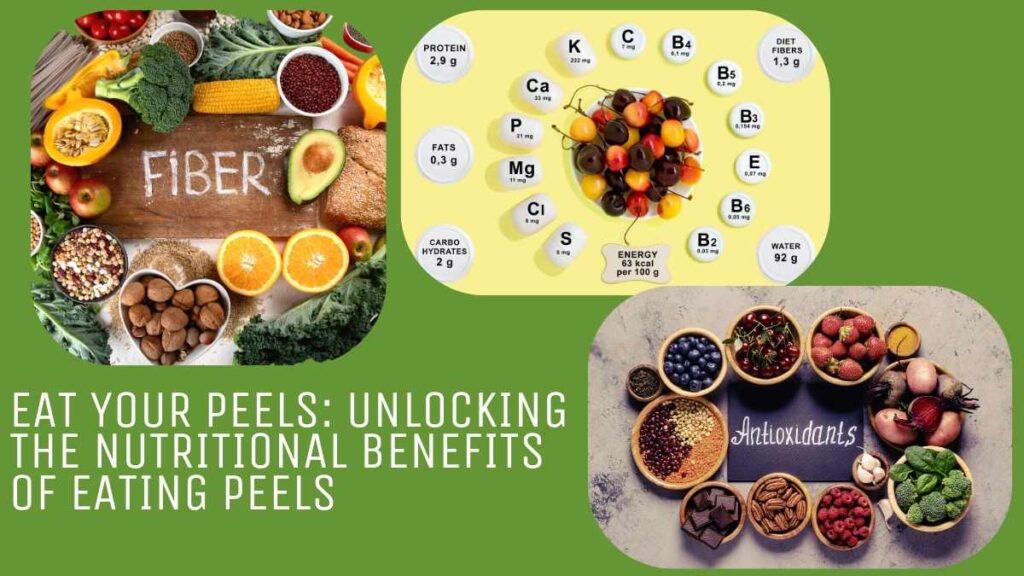
Fiber Content
The primary benefit of consuming peels is a higher content of fibre. Fibre is certainly important for digestive fitness for regulating bowel movements, promoting a feeling of fullness and no issue of constipation. Fibre-rich peels are very helpful in weight loss as they support a healthy digestive system and preserve regularity.
Vitamins and Minerals
Apart from fibre content, fruits and vegetable peels are very rich in nutrients and minerals. For example, citrus peels are very rich in vitamin C, potassium, and calcium, whereas potato peels are a good source of vitamin B6, iron and potassium. Consuming these peels, you can live a happy mind by knowing that you are getting a wide range of crucial vitamins.
Antioxidants
There are several fruits and vegetable peels that are very rich in antioxidants that help in reducing oxidative Strain and inflammation. Moreover, antioxidants also decrease the risk of chronic diseases like heart sickness, diabetes, and in most cases cancers. Adding these antioxidant-rich peels helps you lose weight and supports your natural defence mechanism to fight enemies inside the body.
Eat Your Peels: Unlocking The Nutritional Benefits of Types of Consumable Peels and Their Benefits
Apple Peels
Apple peels are very rich in certain antioxidants like flavonoids and polyphenols. These compounds reduce the risk of coronary heart disease, maintain blood sugar, and promote cognitive characteristics. Consuming the apple with its peels can increase the fitness advantages and provide a delicious and nutritious snack.
Bananas Peels
The idea of consuming banana peels may seem to be unconventional, but it is full of nutrients. Banana peels consist of vitamins and minerals, potassium, magnesium, B6, and B12. The peels of bananas can be blended into smoothies or cooked to make nutritious dishes.
Citrus Peels
Citrus peels can be taken from oranges, lemons, and limes to get a rich vitamin C and different antioxidants. Moreover, they also contain vital oils that can give a unique flavour to liquids and dishes. These peels can be used to add flavours to salads, desserts, and marinades.
Potato Peels
These peels are very good in fibres and vitamins that contain potassium, iron and diet B6. Additionally, it has also antioxidants that can help guard the oxidative harm and inflammation. So, consume potato with its peels to maximise the nutritional value.
Mango Peels
Mango is undoubtedly one of the most beloved fruit for its taste and juicy flesh. People often eat its flesh and overlook its peels. The thing you need to know is that their peels are equally nutritious. Their peels have vitamin A, vitamin C, fibre, antioxidants, and anti-inflammatory properties. Adding mango peels to your sauces, smoothies, and chutneys gives you a mesmerising taste along with nutritional value.
Pineapple Peels
The peel of pineapple may be prickly but their peels are packed with nutritional goodness. They contain bromelain vitamin C and fibre. Use these pineapple peels in your tea, infused water, and smoothies for a tropical flavour boost.
How to Add Fruits and Vegetables to Your Diet to Make it a Delicious Diet?
Smoothie and Juices
The perfect way to consume peels is by adding these to your food regimen to make smoothies and juices. First of all, simply use the peels to remove dirt and other bacteria then put some seeds or pits and make it well according to your taste and veggies for a nutritious beverage.
Baked Snacks
Another innovative way to use peels is to add them to baked snacks. Use potato peels to bake until they become crispy to make healthy options to standard potato chips. Moreover, Apple peels can be dried and baked with the help of cinnamon and Sugar to make it delicious.
Infused Water
To make your water healthy and tastier, infuse it with fruit and vegetable peels. To prepare, take washed peels and put them into the bottle of water. After that, put it inside the fridge for several hours to allow the flavours to infuse. You can use different peels like citrus peels, cucumber peels, and ginger peels for infusing water with herbal flavour.
Add Peels to Soups and Sautees
Do not peel carrots, zucchini or potatoes but grill or slice with their skins on. Further, add them in soups, stews, or sautees for added fibre and nutrients.
Enjoy Raw Peels With Dips
The peels of fruits such as apples, pears, kiwis, mangoes, and papayas can be relished with nut butter, yoghurt, or hummus for a healthy snack that’s very convenient.
How to Properly Wash Peels?
For best practices of cleaning, you need to wash peels thoroughly to remove dirt and other bacteria. So use a brush and cold water to scrub the peels.
What are the Myths and Misconceptions Linked with Eating Peels?
Despite their health and fitness benefits, there are several myths and misconceptions about consuming fruits and vegetable peels.
It is evident that fruit and vegetable peels have several amounts of pollutants like pesticides and residues but the degree of their presence is generally very low to harm when consumed moderately. Washing peels carefully and thoroughly and picking fruits and vegetables from organic sources can certainly decrease the threat of harmful materials. Moreover, the peels of fruits and vegetables often have a greater amount of nutrients as compared to flesh. So, consuming the complete fruit or vegetables can maximize your intake of crucial vitamins.
The most common misconception is regarding eating peels as they do not contain any nutrients and are not made to digest. But it is not true as several peels can be edible as they contain high nutrition. According to studies, peels have a crucial amount of vitamins, minerals, and antioxidants that support health benefits.
What are The Potential Risks and Considerations of Consuming Peels?
The most common concern of eating peels is the presence of pesticides and residues. So choose organic vegetables and fruits or wash them thoroughly to reduce the risk of health diseases and allergic reactions. Various people may feel allergic by eating certain peels so if you have any allergy, then it is best to avoid those peels and consult with the healthcare provider.
Cultural Practises
There have been several cultural practices for consuming peels for several centuries. Peels have been used in several cuisines primarily banana peels are used in stir-fries and curries. In the contemporary world, modern chefs are using fruit and vegetable peels in innovative ways, in high-end restaurants to prepare unique and sustainable dishes.
Adding Peels to Your Diet Saves Your Bank
Consuming peels then certainly saves you money as you are using whole fruit and vegetables. Moreover, you can get the most out of fruits and vegetables in terms of fullness and nutrients. Moreover, it can also decrease your grocery bill.
The Effect of Peels on Natural Remedies
Peels have been used in home res for several centuries and have the ability to soothe insect bites. Moreover, the peels of potatoes can also reduce the dark circles under the eye. Several skincare brands use Peel India skin care products for maximising benefits. For example, lemon peels are used in the products for brightening the skin and natural exfoliation.
Final Words
To sum up, adding peels of fruits and vegetables to your diet would give you immense results for your skin health. Peels would be a great companion to achieve your fitness goals as peels are filled with numerous health benefits and nutrients. Prepare the nutrient-dense food with household masala to enjoy healthy food.
Frequently Asked Questions
Ans: Fruits and vegetables peels are very rich in fibre, vitamins, minerals, and antioxidants. Moreover, they often contain more nutrients as compared to flesh. Eating peels helps you introduce food waste and provides you with extra nutrients for your diet.
Ans: Well, not all peels are meant to be eaten, but apples, carrots, potatoes, and cucumbers are safe and nutritious. On the other hand, avocados and watermelon peels are very hard to digest.
Ans: People should thoroughly wash peels to remove dirt, pesticides, and bacteria. Use a water and vegetable brush to remove these bacteria. Moreover, you can also buy the organic products to minimise the exposure to harmful chemicals.
Ans: Well, peels can slightly change the taste or texture of disease Apple peels add a mild tartness while potato peel give a rustic taste.
Ans: Yes, it is best to avoid eating waxed peels as they may have a chemical coating. It is recommended that wash it thoroughly unless you purchase organic products.
Also Read About :-