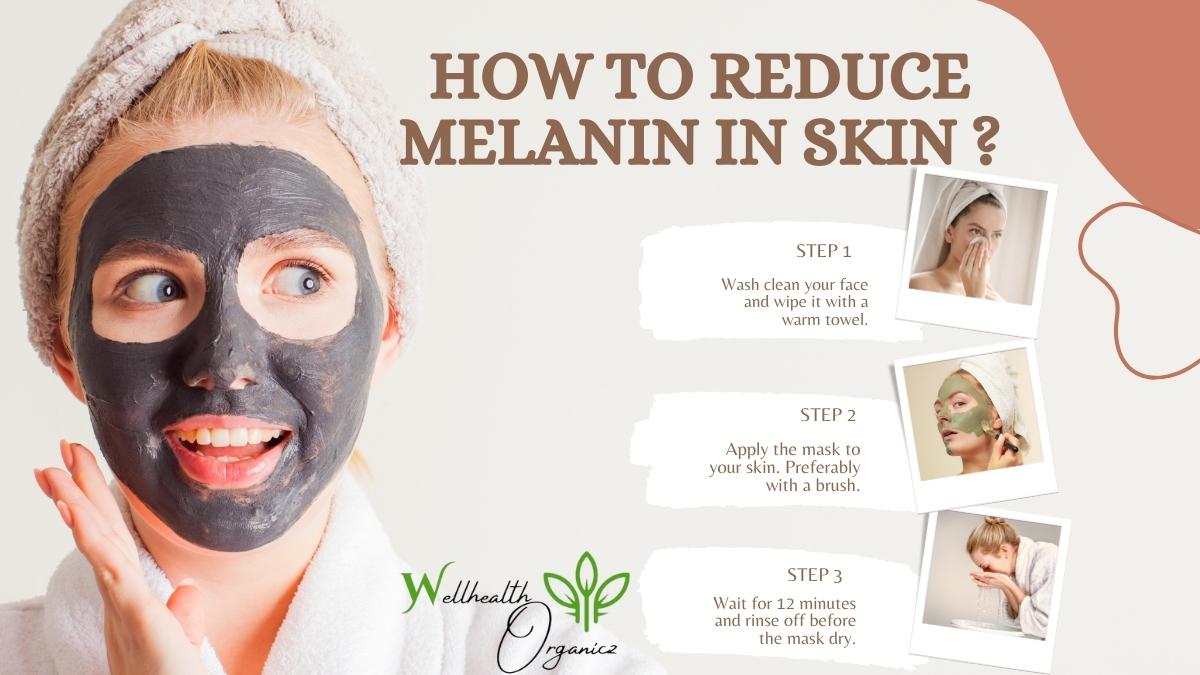
How to reduce melanin in skin: Reducing Melanin in the Skin is required for reducing dark spots, even skin tone and getting fairer complexion. Melanin plays a crucial role in guarding the skin against the harmful effects of UV rays. However, sometimes uneven skin tone and hyperpigmentation can lead to excessive melanin production. For this reason, people who are suffering from excessive melanin production are looking to lower melanin levels. Hence, this comprehensive blog will guide you with the ways to reduce melanin levels in your skin.
Melanin- What Exactly it is?
Melanin is a natural pigment produced by melanocytes, specialized cells. This cell is located within the skin epidermis. It is responsible for the colour of your skin, hair, and eyes. This cell plays an essential role by protecting the skin from the ultraviolet radiation from the sun. The quantity and type of melanin produced are mainly determined by genetics. However, other factors like sun exposure can highly influence the melanin production.
How Does Melanin Work?
- When someone is exposed to UV lights, the skin enhances the production of melanin to absorb and scatter UV rays. It helps in preventing cellular damage. However, sometimes the production of melanin increases sometimes, which results in uneven skin tone, dark patches, and even hyperpigmentation.
- It works as a natural sunscreen that absorbs damaging UV radiation.
- It provides several benefits by protecting ultraviolet rays, such as reducing the chances of skin cancer, and sunburn.
- The antioxidant properties of melanin help crush free radicals and can cause many skin problems and premature ageing.
What Raises the Melanin Levels?
- The reason behind the rise is that increases the melanin production in the body.
- Changes in the hormonal levels
- Surplus contact of skin with sun rays
- Several types of skin disorders also lead to high melanin in the skin
- The adrenal disorder can also be the cause
- Lack of sufficient vitamins and malnutrition are also some other causes
Does Diet Affect Skin Health?

The diet plays a major role in skin health. For example, if you take ample amounts of nutrition then your skin glows and vice versa. Meanwhile, there are several skin care products that promise great skin results. However, the effective and holistic approach starts with eating plenty of nutrition. A nutrient-rich diet supports natural fights against issues like hyperpigmentation. In a country like India melanin-rich foods are often associated with skin problems.
What is the Best Food that Helps Reduce Melanin in Skin?
Choosing the natural ways to control melanin is indeed a sustainable approach for achieving healthy skin. Believing in natural ways instead of relying solely on cosmetic products is a necessary step. The food must be rich in vitamins A, C, E, and K. It is verified that these essential vitamins help in reducing the melanin level in the skin. Here is the list of the best foods that are rich in these nutrients.

- Carrots
- Tomatoes
- Pumpkin
- Ginger
- Chia seeds
- Eggs
- Milk
- Cheese
- Yoghurt
- Oatmeal
What Are the Types of Melanin?
There are two types of melanin Pheomelanin and Eumelanin. They both are the prime form of melanin.
The deeper tone of skin and hair is mainly caused by Eumelanin. Brown and black Eumelanin are the two subtypes of it. When it is in high concentration, it causes dark skin, tones, and black or brown hair. It offers more competent guards from the ultraviolet rays of the sun as compared to Pheomelanin.
Pheomelanin is a lighter, reddish-yellow pigment, which contributes to a lighter skin tone, red hair and even freckles. It does not offer as much protection against UV radiation as eumelanin. Therefore, those who have higher levels of pheomelanin in people with red hair have more of a risk of having sun damage.
Is Melanin Good or Bad for the Skin?
It is certainly a crucial part of our skin. It is responsible for protecting the skin from the damaging effects of ultraviolet rays. However, if there is very little production of melanin, the skin is more exposed to UV rays. On the other hand, if melanin is too much, then it can cause melasma and hyper pigmentation. Hence, too much is also bad and if it is too little is also bad. Hence, moderation is the key.
Benefits of Reducing Melanin for Skin Appearance
- Reducing melanin production can help you to achieve your desired complexion.
- The skin tone becomes smoother and consistent with less dark spots and patches.
- If there is less melanin in the skin, the skin will have a more natural glow and be brighter.
- The reduction of melanin will help the skin to a younger and healthier appearance by removing sun spots or age spots.
- Clear and smooth skin makes one feel more confident, which can positively affect personal and professional relationships.
How to Reduce Melanin in Skin Naturally?
- Protect your skin from the direct ultraviolet rays of the sun. For this reason, use a good sunscreen with at least SPF 30 daily. Avoid going outside at the peak hours of the sun.
- Include skincare products that are rich in antioxidants like Niacinamide, vitamin C and licorice Road extract. This can help in reducing acid stress and gradually reduce the production of melanin.
- You can also use oral antioxidants. If you are looking for a supplement that has antioxidants, then you should first discuss it with your dermatologist.
- Gently exfoliate your skin with a product that has alpha hydroxy acid. It can help you in removing the top layer of pigmented cells.
Medical Involvements to Reduce Melanin
- A dermatologist may prescribe you several topical creams that contain retinoids, hydroquinone, and corticosteroids. These creams can help you in reducing hyperpigmentation and melanin.
- The chemical peel can also enhance the skin texture and reduce pigmentation by removing the skin’s top layers.
- There are several laser treatments like fractional laser, short pulse ND Yag laser, and intense pulsed light. It helps you target the melanin cells and supports their removal.
- There is also another method which is cryotherapy. This procedure involves freezing areas of hyperpigmentation by using liquid nitrogen that easily peels off the pigmented skin.
Final Words
Looking for melanin reduction needs caution and consulting a dermatologist would be the best step. Responses of the skin to treatments really vary. It totally depends on the type of skin, genetic makeup, and cause for the melanin production. The prime reasons are sun exposure, hormonal shift, or inflammation.
A dermatologist could provide you with a personal plan, discussing what treatments and ingredients are safe and what will go well on your skin. The reduction of melanin is not overnight; it is something to be implemented patiently. Generally, the cycles of skin turnover take about 4-6 weeks, and deeper pigmentation may take longer to fade away.
Frequently Asked Questions
Ans: The sunlight mainly activates melanin production. Moreover, it is also brought by sunlight, hormonal alterations, some medications, skin damage, and inflammation.
Ans: The results vary based on skin type. It depends on the harshness of pigmentation and the type used. The noticeable changes usually take place within several weeks to months. Because the renewal of skin cells usually happens every 4-6 weeks. Darker pigmentation may require some time.
Ans: Yes, it is safe. However, misuse or excessive use of lighting products may cause unwanted side effects such as irritation, dryness, and inflammation.
Ans: No, most treatments do not last forever. Melanin can be produced again by sun exposure or hormonal shifts. Hence, it often requires maintenance treatments and sun protection in order to keep the results.
Ans: Use daily sunscreen (SPF 30 or higher) and protective clothing is a must. The sunscreen creates a shield of gentle that protects skin from the UV rays.